So, you’re planning your transformation and considering more than one procedure? Many of my patients dream of having liposuction, a breast augmentation, and a face lift — just to name a few. When they start organizing their plans, one of the most common questions I hear is: how long should you wait between surgeries?
That’s a great question, and today I want to clear up your doubts so you can plan your transformation safely and confidently.
🤔 Doctor, can we do two procedures on the same day?
This is something I get asked all the time, and the short answer is a resounding yes, it’s possible!
Procedures like a mommy makeover are an excellent way to optimize time, pay operating room costs just once, and go through a single recovery period.
Not all patients are candidates for combined procedures, which is why each case is individualized — and it’s a decision we make with great care. The main limitation is total anesthesia time.
For your safety, surgery should not exceed 6.5 hours, since prolonged anesthesia increases the risk of postoperative complications.
Now, let’s get to the question that brought you here:
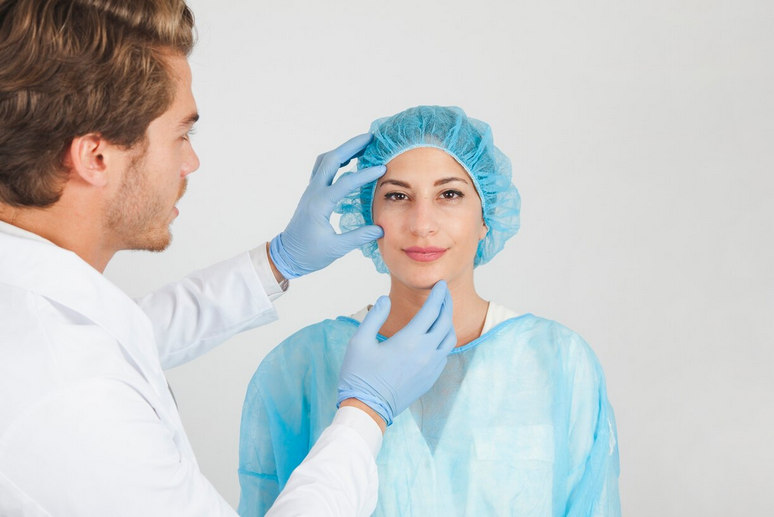
⏳ How long should you wait between one surgery and another?
In general, surgeons recommend waiting between 3 and 6 months between procedures. This period is key to allowing your body to recover from anesthesia and initial inflammation.
But remember, not all bodies heal the same way. If your first surgery was extensive, involved long anesthesia, or your recovery period was slower, you may need to wait longer. Your safety always comes first.
The waiting period between surgeries allows your body to heal completely. Before giving the green light for a second procedure, I make sure that:
- Inflammation and pain are completely gone. The operated area should no longer be swollen, and your skin should feel soft, flexible, and pain-free.
- Scars are mature. They should be flat, smooth, and similar in color to your skin.
- Tissues have settled. The results of your first surgery should be stable.
- Your hemoglobin levels are back to normal.
Sometimes, the desire to transform our body or face comes with great emotion. We want to look and feel better, and when we start seeing results, it’s natural to think about the next step. But at Soulya, we always remember something essential: beauty also needs time to bloom.
Each plastic surgery is a unique story, a physical and emotional process that requires respect. Our body is wise: it needs to heal, adapt, regenerate, and reconnect with its new shape.
Medically speaking, the ideal is to wait between 3 and 6 months between one surgical procedure and another, depending on the type of surgery, the extent of the treated area, and especially how your body responds. This time not only ensures safe recovery but also allows us to appreciate the changes, enjoy the process, and reconnect with how we feel in front of the mirror.
At Soulya, we believe that the most beautiful transformation is the one lived with patience, self-love, and awareness. It’s not only about changing what you see, but about healing from within so that each new version of you feels more complete and radiant.
So if you’re considering a second surgery, breathe, feel, and listen to your body.
Your soul and your beauty will always know when the moment is right.
🔍 Types of surgery and recovery times
Recovery time varies depending on the type of procedure. A minor eyelid surgery, for example, is very different from a full body-contouring operation in terms of trauma and healing time.
Let’s break it down:
🟡 Minor or localized procedures (moderate wait)
These surgeries are limited to a specific area, with relatively quick recovery and shorter anesthesia time:
- Blepharoplasty (eyelid surgery): 3 to 6 months
- Rhinoplasty (nose surgery): 3 to 6 months
- Breast augmentation or reduction (without lifting): 4 to 6 months
- Small-area liposuction (neck or arms): 3 to 4 months
The main reason for waiting is to make sure swelling has completely disappeared and results have stabilized. This ensures that the next procedure complements the first one perfectly.
🔴 Major or full-body contouring surgeries (longer wait)
These are more invasive, involve longer anesthesia, and place greater stress on the body:
- Abdominoplasty (tummy tuck): 6 months to 1 year
- Full facelift: 6 months to 1 year
- Large-area liposuction or lipo-sculpture: 6 months to 1 year
- Bariatric surgery: 1 year or more
In these cases, your body needs time to restore energy, normalize circulation, allow tissues to heal, and for deep scars to mature. Waiting ensures your health and the best possible results for your next surgery — and trust me, it’s worth it.
⭐ Key factors that determine the “green light”
These timeframes are general guidelines, but as a responsible surgeon, I must ensure that your recovery has been successful before scheduling a new procedure. Here’s what I look at:
🩺 Your previous recovery
If your last recovery went smoothly and you followed every instruction, you might be ready within the minimum timeframe. But if you had any complications — such as infections, delayed wound healing, hypertrophic scars, or fibrosis — we’ll likely need to wait longer.
🧪 Your lab results
Every surgery requires preoperative lab tests to check your health, iron, and nutrient levels. If your hemoglobin is low (anemia), surgery must be postponed. Operating before your labs are normal puts both your recovery and results at risk. With time and perhaps some supplementation, you’ll be ready again.
⚖️ Weight stability
This is especially important after body contouring procedures like liposuction or abdominoplasty. I need to verify that your weight has remained stable for several months, as fluctuations can alter your results and indicate your body hasn’t yet reached equilibrium.
💛 Your psychological and emotional well-being
Even though it’s exciting to plan another surgery, every procedure takes both a physical and emotional toll. You should feel mentally recharged, motivated, and emotionally balanced before undergoing another transformation. Remember: your mental health is part of your recovery.

⚠️ Factors that can delay your next surgery
Aside from how your body heals, certain habits can delay recovery and make it unsafe to proceed too soon.
🚭 Smoking
Smoking is a non-negotiable risk factor. Nicotine constricts blood vessels, reducing oxygen and nutrient flow to healing tissues. This slows down recovery and increases the risk of infection or poor wound healing — particularly after tummy tucks or facelifts.
If you smoke, you’ll need to quit before surgery and stay away from cigarette smoke throughout recovery to ensure proper healing.
You’ll also need to avoid alcohol, as it interferes with anesthesia and affects blood clotting and liver function — all critical for a safe surgery.
🍎 Poor nutrition
Regardless of the type of surgery, an unbalanced diet low in protein and vitamins can deplete your nutrient reserves, cause anemia, and slow wound healing.
Your nutritional status must be optimal before a second surgery to ensure your safety and energy levels.
😴 Lack of rest
Pushing your body too soon — such as resuming intense exercise before your surgeon allows it — can lead to prolonged swelling, fibrosis, or scar stretching. This delays healing and makes a second procedure riskier.
🌞 Sun exposure on scars
Direct sun exposure can darken scars and make them more visible. It can also slow healing and increase the risk of keloids or hypertrophic scars. If your first scar has been affected by the sun, wait until the skin fully recovers before scheduling another procedure.
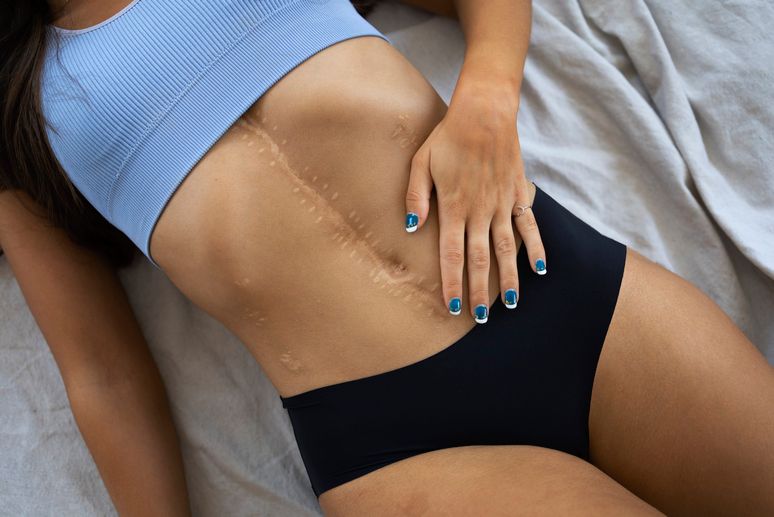
💛 My final recommendation: patience is your best ally
I know it can be hard to put your transformation on hold, but when it comes to cosmetic surgery, patience is key to your safety and lasting results. Rushing the process can not only compromise your aesthetic outcome but also increase the risk of complications in future surgeries.
Let’s talk about your goals. Together, we’ll plan the safest, most strategic path toward your best version — ensuring that every step brings you closer to the results you’ve always dreamed of. I’m here to guide you through every part of the journey.
Sources